Energy-Saving is About Being Cool… in the Right Places
Making a dent in energy bills often requires a deep understanding of the energy systems a building uses. Heating, Ventilation and Cooling systems (HVAC) often make up 50% of the energy use of commercial buildings, and for food companies and datacentres, getting the right temperature can take most of the operational energy.
And the systems involved in delivering these conditions involve complex chemical, plumbing and electrical setups benefitting from a deep knowledge of how to operate and maintain them. Often, organisations ensure systems operate, but are not optimised for energy efficiency; quite simply, systems run for too long or too hard because users are either not confident in challenging them.
So, what do you do if the question of pumps, fans, motors, pressures, temperatures and controls needs addressing?
I sat down with nationally-recognised expert Lawrence Leask of Kaizen Energy, who’s worked with us on ESOS audits previously, and has a track record of finding big, practical energy-savings for organisations to understand what organisations should look for when trying to reduce the cost of cooling and heating their facilities.
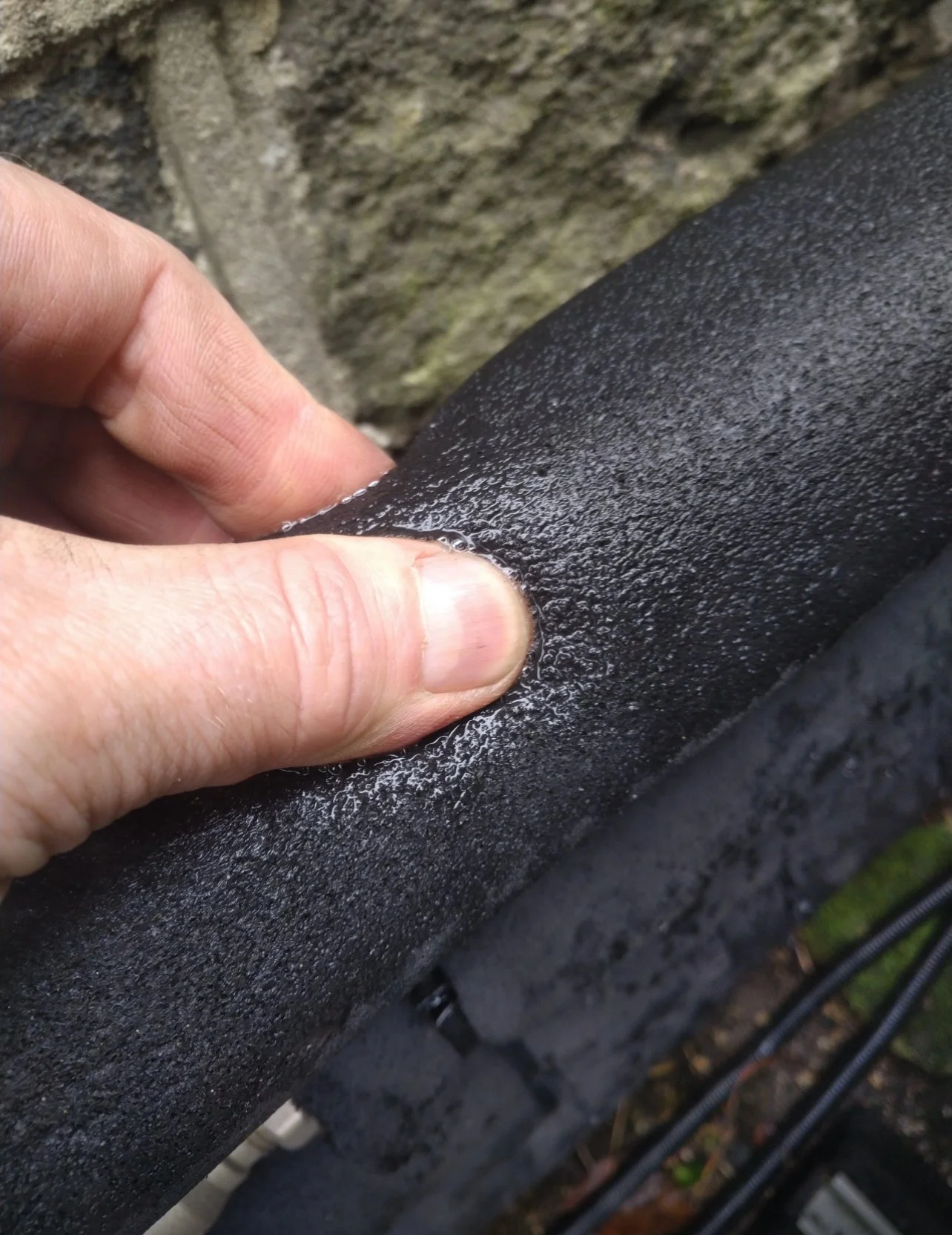
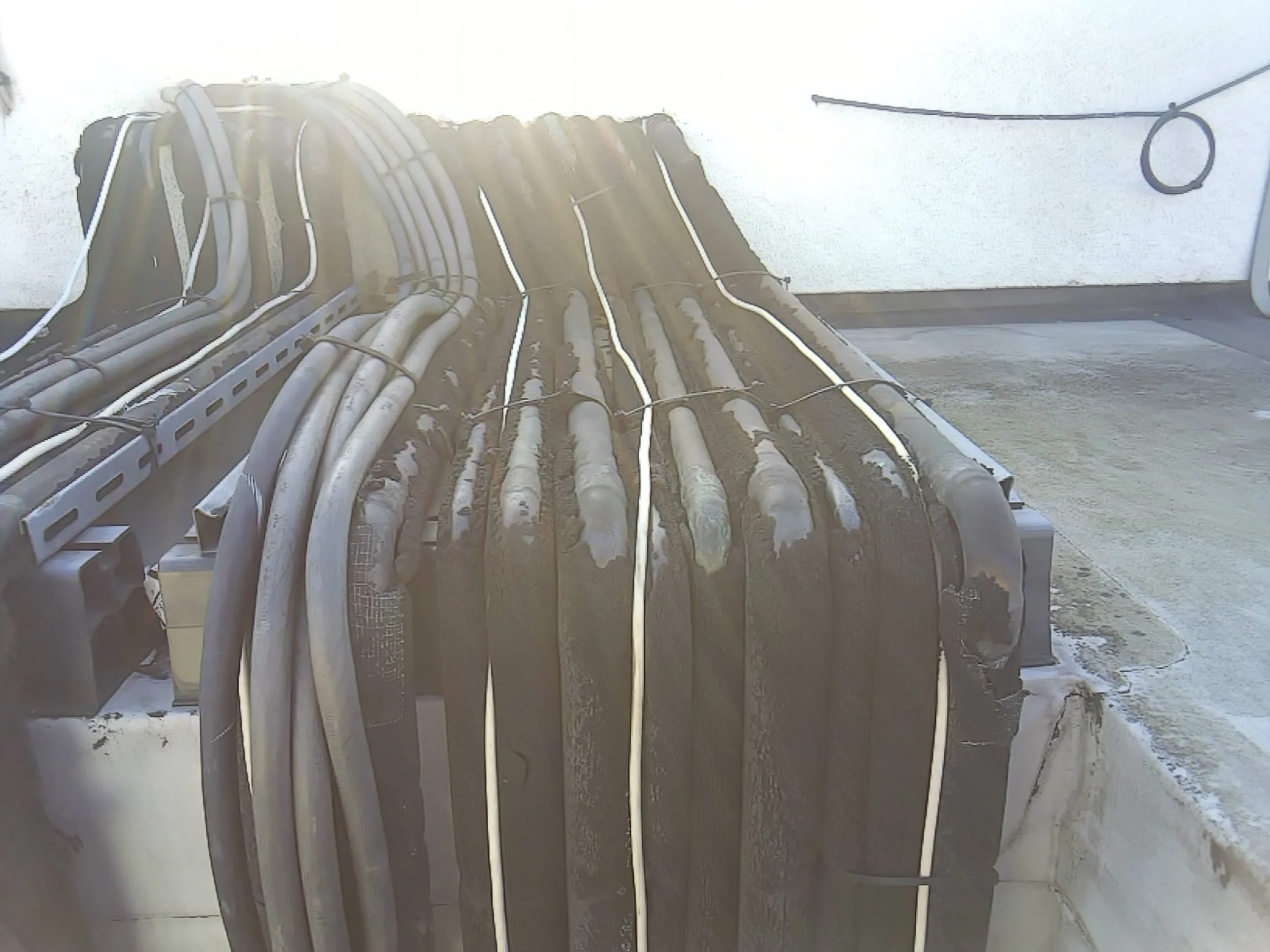
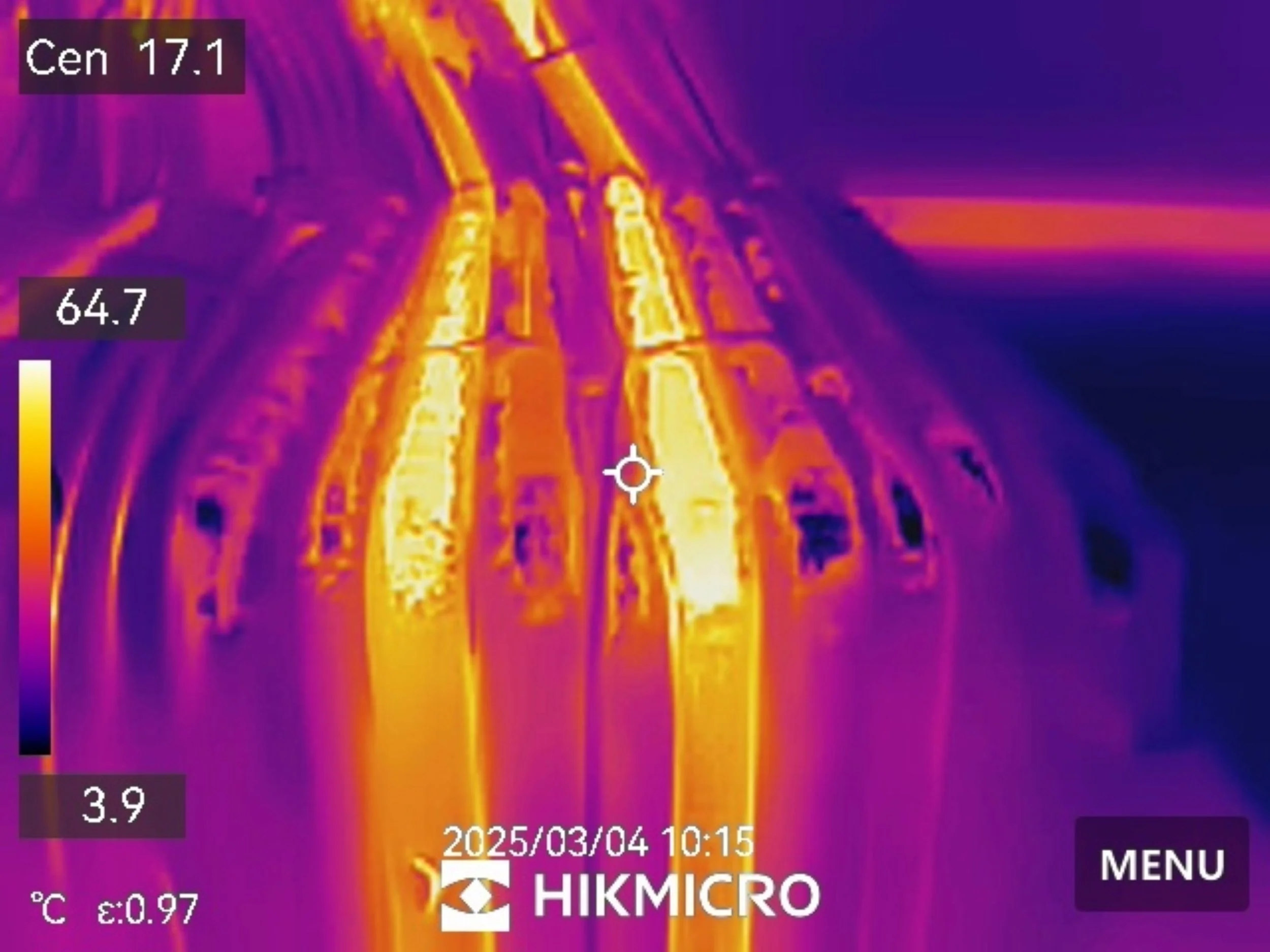
One of his top tips for saving energy was to tackle poor insulation. In the images above, you can see how external pipe insulation breaks down due to UV damage from sunlight and from general weather.
The first image shows how the very common pipe insulation applied to cooling and heating pipes (rubber nitrile) becomes a sponge for rainwater, effectively making it the equivalent of putting on a wet towel when you get out of the shower- BRRR! - 10 times worse performance than a bare pipe!
The second and third images show the same heating pipe visibly and under infrared- wher aging insulation has worn away, heat is leaking but no-one has noticed because it’s unseen, on a roof and they’re probably wondering why heating costs are going up or why the boiler just isn’t meeting demand any more.
For the full video with all his tips, follow this link here